
Peptides are short chains of amino acids, typically 2 to 50 residues, linked by peptide bonds. Chains of 51 or more amino acids are classified as polypeptides. In research supply, peptides are distributed as laboratory-grade materials for controlled experimental use only, with batch-level documentation and compliance controls. These materials are not intended for human or veterinary use.
Table of Contents
- What is a peptide?
- How do peptides function in biological systems?
- Where do peptides come from?
- How are peptides classified by length and structure?
- What documentation should accompany research-grade peptides?
- How does Biotech Labz Supply support peptide research?
- What compliance rules govern research peptide supply?
- What should researchers verify before sourcing peptides?
- Key Takeaways
- References
What is a peptide?
A peptide is a short chain of amino acids joined by peptide bonds, typically ranging from 2 to 50 residues. According to the National Human Genome Research Institute, a longer chain of linked amino acids containing 51 or more residues is classified as a polypeptide.

Peptides are distinguished from proteins by chain length and molecular mass. Wikipedia states that polypeptides with a molecular mass of 10,000 Da or more are called proteins. This convention provides a consistent boundary between peptide and protein classifications.
Peptides include sub-classes based on residue count. Chains of fewer than twenty amino acids are called oligopeptides, a category that includes dipeptides, tripeptides, and tetrapeptides. The proteins manufactured inside cells are built from one or more polypeptides.
How do peptides function in biological systems?
Peptides function as signaling molecules that carry messages from cell to cell and from tissue to tissue. According to Stanford Medicine, peptides range from just three amino acids long to around 100 on the longer side, while proteins tend to be a few hundred to over 1,000 amino acids long.
Peptides help orchestrate several biological processes. Harvard Health lists hormone activity, immune defense, tissue repair and growth, control of inflammation, and digestion among these processes.
Concrete examples illustrate peptide function. Insulin is a peptide the pancreas makes to regulate blood sugar. Endorphins are released by the central nervous system to block pain signals and relieve stress. Growth hormone–releasing hormone triggers the pituitary gland to make and release growth hormone.
The scale of peptide activity is substantial. Scientists have cataloged roughly 7,000 peptides in the human body, according to Stanford Medicine.
Where do peptides come from?
Peptides come from two primary sources: endogenous production within the body and laboratory synthesis. The body synthesizes some peptides on its own using amino acids found in dietary proteins like meat, eggs, and legumes, according to Harvard Health.
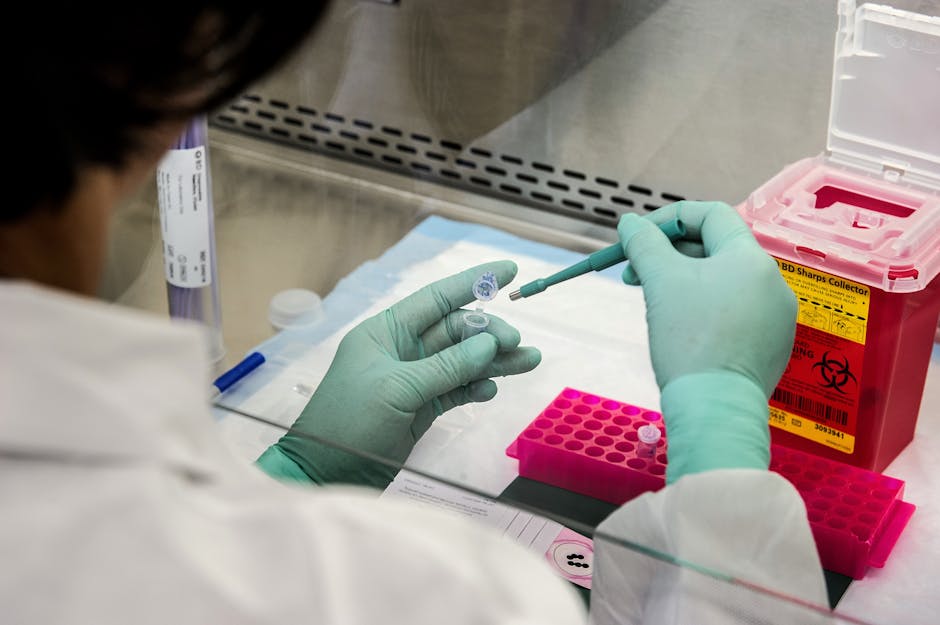
Peptides can also be synthesized in laboratory settings. Lab-made peptides are the category relevant to research supply, distinct from endogenous production. These synthesized materials are produced under controlled conditions for experimental applications.
Research-grade peptides supplied to laboratories fall entirely within the synthesized category. They are manufactured for controlled experimental use and distributed with documentation that supports reproducibility and traceability.
How are peptides classified by length and structure?
Peptides are classified by residue count into oligopeptide, peptide, and polypeptide tiers. Wikipedia defines oligopeptides as chains of fewer than twenty amino acids, including dipeptides, tripeptides, and tetrapeptides. The peptide tier covers chains of 2 to 50 residues.
A polypeptide is a longer, continuous, unbranched peptide chain. The National Human Genome Research Institute identifies chains of 51 or more amino acids as polypeptides. This structural definition distinguishes polypeptides from shorter peptide chains.
Molecular mass provides an additional classification boundary. Polypeptides with a molecular mass of 10,000 Da or more are called proteins, according to Wikipedia. This convention separates large polypeptide structures from the protein category.
What documentation should accompany research-grade peptides?
Research-grade peptides should be accompanied by batch-level documentation, specifically a certificate of analysis (COA) and a safety data sheet (SDS), for every lot. Qualified researchers require these documents to verify the identity and purity of the material before experimental use.
Purity verification and lot traceability are baseline expectations for controlled research environments. The article Therapeutic peptides: current applications and future directions notes that peptide modifications allow peptides to achieve better activity and plasma stability, which makes documentation of the final product essential.
Documentation supports reproducibility across experimental runs. When a lot is traceable to a COA and SDS, researchers can compare results across batches and identify any variability attributable to material differences. This is a core requirement in controlled laboratory settings.
How does Biotech Labz Supply support peptide research?
Biotech Labz Supply distributes research-grade peptides, including DSIP, PT141, and HGH, each supplied for research use only. These materials are intended for controlled laboratory applications and are not for human or veterinary use.
The catalog includes bacteriostatic water in multi-use vials for reconstitution workflows in controlled laboratory settings. Sterile 10mL water is also available for laboratory protocols that require sterile dilution.
Biotech Labz Supply provides laboratory supplies that support controlled research environments. Batch-level documentation, including a COA and SDS, is provided at the lot level for distributed peptides.
Researcher verification and controlled-access ordering enforce research-use-only compliance. The distribution process restricts purchase to qualified researchers and research organizations, maintaining the compliance controls expected in this category.
What compliance rules govern research peptide supply?
Research-grade peptides are distributed for research use only and are not for human or veterinary use. This restriction is a foundational compliance rule in the research peptide supply category.
Controlled-access ordering and researcher verification are standard distribution controls. Stanford Medicine notes that peptide drugs are nearly always injected because peptides are broken down by the digestive system, which underscores why distribution controls are necessary for injectable research materials.
Compliance-focused distribution restricts purchase to qualified researchers and research organizations. The article Therapeutic peptides: current applications and future directions documents that peptide modifications allow peptides to become more drug-like, which increases the regulatory scrutiny applied to their distribution.
What should researchers verify before sourcing peptides?
Researchers should verify supplier identity, batch-level COA and SDS availability, stated purity, and documented chain of custody before sourcing peptides. These verification points establish the material's provenance and support experimental reproducibility.
The research pack does not provide efficacy data from human trials for gray-market peptides. According to Stanford Medicine, an FDA advisory panel recently voted to recommend loosening restrictions for compounding pharmacies on six peptides that are far from FDA approval, indicating that regulatory status remains unsettled for some materials.
The research pack does not quantify adverse-event rates for injectable peptide supplements in humans. This documented evidence gap means sourcing decisions must rest on documentation rather than marketing claims. Researchers should rely on COA and SDS records to assess material quality.
Key Takeaways
- A peptide is a short chain of amino acids, typically 2 to 50 residues, linked by peptide bonds.
- Chains of 51 or more amino acids are classified as polypeptides, and chains of 10,000 Da or more are called proteins.
- Peptides function as cell-to-cell and tissue-to-tissue signaling molecules, orchestrating hormone activity, immune defense, tissue repair, inflammation control, and digestion.
- Scientists have cataloged roughly 7,000 peptides in the human body.
- Research-grade peptides require batch-level documentation, including a COA and SDS, for every lot.
- Biotech Labz Supply distributes research-grade peptides including DSIP, PT141, and HGH, plus bacteriostatic water in multi-use vials, for research use only.
- Research peptide distribution is restricted to verified researchers and research organizations through controlled-access ordering.
References
- Peptides: What they are, potential benefits, and safety concerns — Harvard Health, 2026-07-07
- Peptide — Wikipedia
- Therapeutic peptides: current applications and future directions — PMC, 2022-02-14
- Peptide — National Human Genome Research Institute, 2026-09-30
- Peptides are buzzing: But what does the science say? — Stanford Medicine, 2026-08-10
